Premium Cashews for Everyday Snacking
You open a fresh pack of cashews, take a handful, and something is off. They’re soft instead of crisp, or there’s a faint bitter, paint-like aftertaste. The pack looked fine online, and the price wasn’t low either.
It happens more often than it should. Cashews are easy to buy and surprisingly hard to judge from the outside, and grades, sizes, roasts and pack weights make it worse. If you want premium cashews you’ll actually enjoy every day, a few simple checks will help more than any label.
What makes cashews right for everyday snacking?
A good snacking cashew doesn’t have to be the biggest or the priciest. It should be fresh, crunchy, mildly sweet and free of any bitter or stale note. A fresh, tasty cashew that stays crisp to the last handful beats an impressive-looking one that has been sitting on a shelf too long.
So start with a plain question: how will you eat them? A desk-drawer snack, an evening tea companion and a bowl for guests all call for slightly different choices.
How to identify good-quality cashew nuts
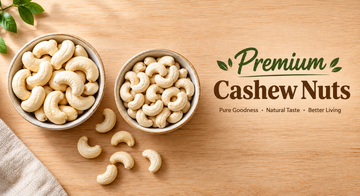
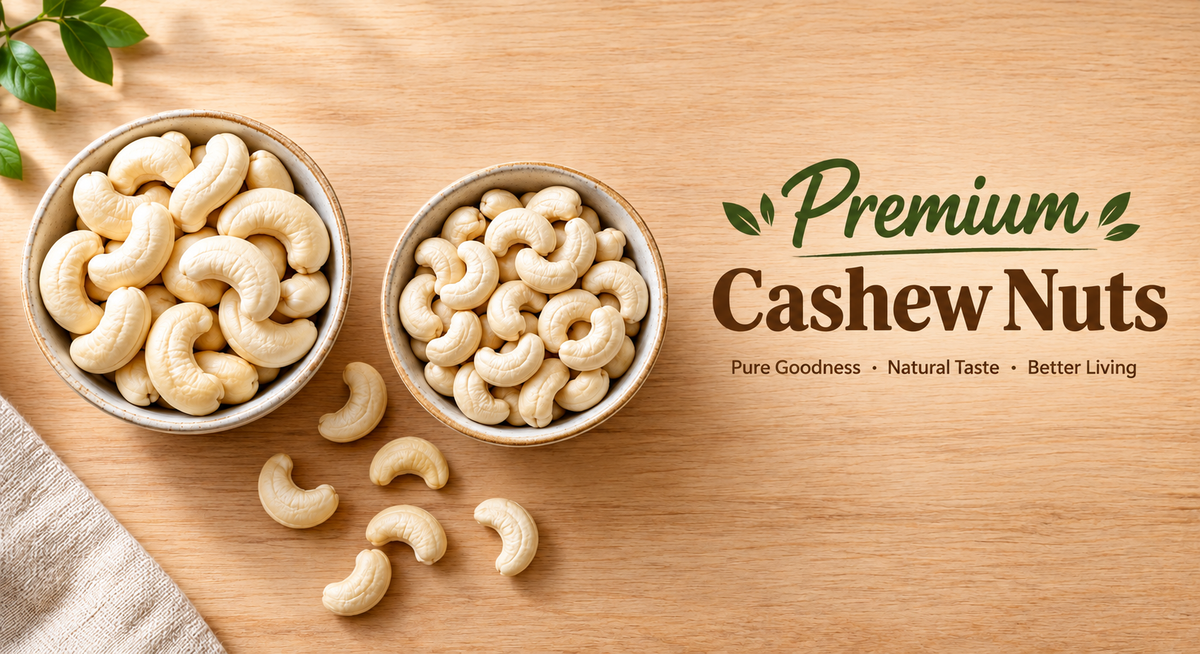
Looks can’t prove freshness, but they do offer clues. Good cashews are usually an even ivory or cream colour. Dark patches, yellow-brown spots or a dull greyish tone can point to age or poor handling. The kernels should be mostly whole and curved, with the surface clean and dry, never sticky or oily. Some breakage is normal, especially in bigger packs, but a pack full of chips and crumbs is a different product from whole kernels.
Be a little sceptical of “premium” used as a label. Size is one factor. It isn’t a promise.
Cashew grades W240 and W320, explained simply
You’ll see codes like W240 and W320 on packs. They’re commercial grades for whole cashew kernels, and the number generally refers to the approximate count of kernels per pound. Fewer kernels per pound means each one is bigger.
| Grade | What it generally means | May suit |
|---|---|---|
| W240 | Larger whole kernels | Guests, gifting, people who like a bigger bite |
| W320 | Slightly smaller whole kernels, very popular | Daily snacking, cooking, careful budgets |
Does a bigger cashew always taste better? Not really. Grade tells you about size and whole-kernel status. It says nothing about how fresh the batch is, how it was roasted or how it was stored. A fresh W320 can easily beat a tired W240, and for daily snacking many people are perfectly happy with W320.
Freshness checks before you buy
Fresh cashew nuts taste buttery, lightly sweet and crunchy. Because cashews are rich in natural oils, they can turn rancid when stored badly, so a little label-reading goes a long way.
Check the best-before or packing date first, and pick the freshest batch you can. Then look at the packaging: it should be sealed and undamaged, not torn or puffed up. Read the ingredient list too. Plain cashews should list cashews and not much else, while roasted and flavoured ones will also list oil, salt or seasoning. The storage instructions on the pack tell you how the brand expects it to be kept.
After opening, trust your nose and tongue. A sharp, sour or paint-like smell, or a bitter, soapy taste, means they’ve gone off. Don’t push through the pack.
Plain, roasted and salted, or flavoured?
This one mostly comes down to taste and routine. Plain cashews are the most flexible. You can snack on them, add them to gravies, sweets or kheer, and control the salt yourself. Roasted and salted cashews are ready to eat, crunchy and savoury, which makes them an easy tea-time or office choice. Flavoured ones, like masala or peri peri, add variety, but check the ingredients if you’re watching salt or spice.
Not sure yet? Start with plain, then try one flavoured pack later. You’ll learn your preference before buying in bulk.
How to compare price, pack size and value
Expensive doesn’t automatically mean better, and the cheapest pack isn’t always the bargain. The easiest fix is to compare price per 100 g.
Here’s a made-up example with round numbers, just to show the method. Say a 250 g pack costs ₹300 and a 500 g pack costs ₹550. The first works out to ₹120 per 100 g, and the second to ₹110 per 100 g. The bigger pack is cheaper per gram, but only worth it if you’ll finish it while the cashews are fresh. If your household snacks slowly, the smaller pack may save money in the end.
Two more tips. Check what’s inside the pack, since whole kernels, broken pieces and seasoned cashews are priced differently for good reason. And compare on the current selling price, because offers change.
Choosing cashews for your routine
For a daily desk snack, plain or roasted and salted cashews in a smaller pack stay fresher. For family snacking and cooking, a larger pack of plain cashews works well if you store it properly. For guests and gifting, larger whole kernels such as W240 look generous in a bowl. For travel and late-evening cravings, roasted or flavoured cashews need no preparation.
Brill cashew options worth a look
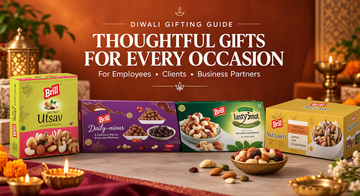
If you’re buying cashews online in India, it helps to see a range in one place. Brill International’s cashew collection covers most of the choices above, as listed at the time of writing.
Plain Cashews (W320) come in 250 g and 500 g packs and suit people who snack daily and also cook with cashews. For a larger kernel, there’s the Premium Whole Cashew (W240), 500 g, which makes more sense for guests or gifting than for a quick handful.
If you like your cashews ready to eat, Roasted & Salted Cashew is sold in 100 g, 250 g and 500 g sizes, so you can start small. Readers who enjoy spice and variety can look at flavours such as Masala Cashew, Peri Peri Cashew and Lemon Chilli Cashews.
Whichever you pick, read the product page for ingredients, net weight and best-before details, and check availability first, since stock and prices change.
Storing cashew nuts after opening
Once a pack is open, move the cashews into a clean, airtight container, or reseal the pack tightly. Keep it somewhere cool and dry, away from sunlight, the stove and moisture, and use a dry spoon or dry hands every time. In humid weather, or if you won’t finish them soon, the fridge can help keep them crisp. Let the container return to room temperature before opening so moisture doesn’t collect on the nuts. And buy only what you can reasonably finish.
Frequently asked questions
Which cashew grade is best for snacking?
There’s no single best grade. W320 is a popular everyday choice, and W240 suits people who like larger kernels. Freshness and taste matter more than the grade code.
Are bigger cashews always better quality?
No. Size is only one factor. A large cashew can still be stale, so check the date, smell and packaging as well.
How do I know if cashews have gone bad?
A sharp, sour or paint-like smell, a bitter or soapy taste, or a soft, oily texture are warning signs. When in doubt, throw them out.
Should I buy plain or roasted and salted cashews?
Plain cashews are more flexible for snacking and cooking. Roasted and salted are convenient and ready to eat. Choose by taste and how you plan to use them.
How long do cashews stay fresh after opening?
It depends on storage, humidity and the batch. Keep them airtight, cool and dry, and go by the best-before date and your own smell test.
Is buying cashews online in India safe?
It can be, as long as you check the product details, net weight, dates, ingredients and return policy before ordering.
Conclusion
Choosing premium cashews comes down to a handful of habits: read the label, don’t equate size with quality, check freshness, compare price per 100 g, and store them well once opened. Pick plain, roasted or flavoured based on how you’ll really eat them.
If you’d like to compare the options discussed here, explore Brill’s cashew collection and see which variety fits your routine.